
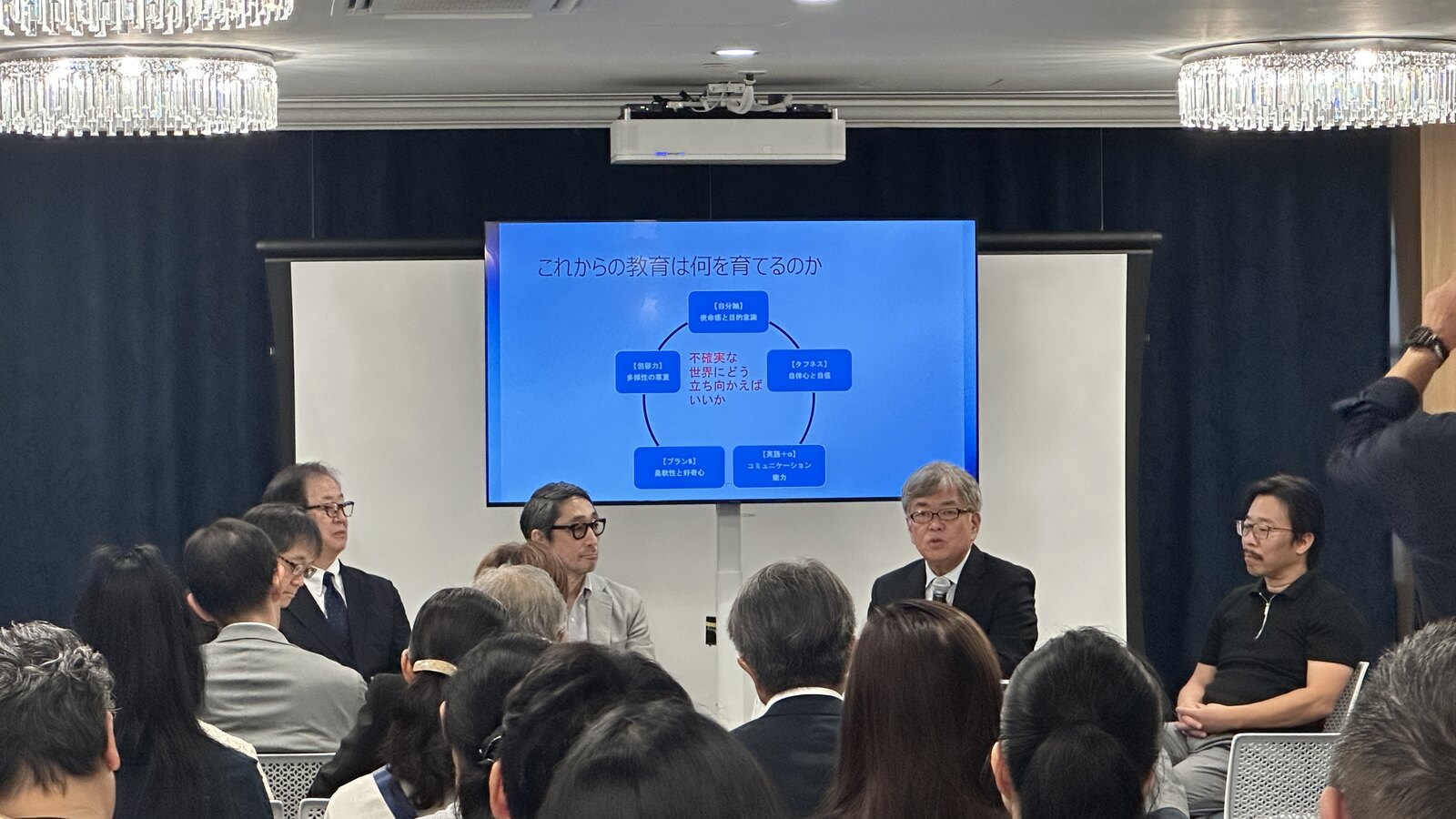
On Sunday, September 13, the Symposium on Overseas Japanese Education — “Starting from New York: The Future of Japanese Schools and Supplementary Schools” — was held at The Nippon Club in Manhattan. The symposium was organized by The Nippon Club and co-hosted by the Japan Overseas Educational Services (JOES), the Japanese Educational Institute of New York (JEI) and New York Ikuei Gakuen, with the support of the JCC Fund.
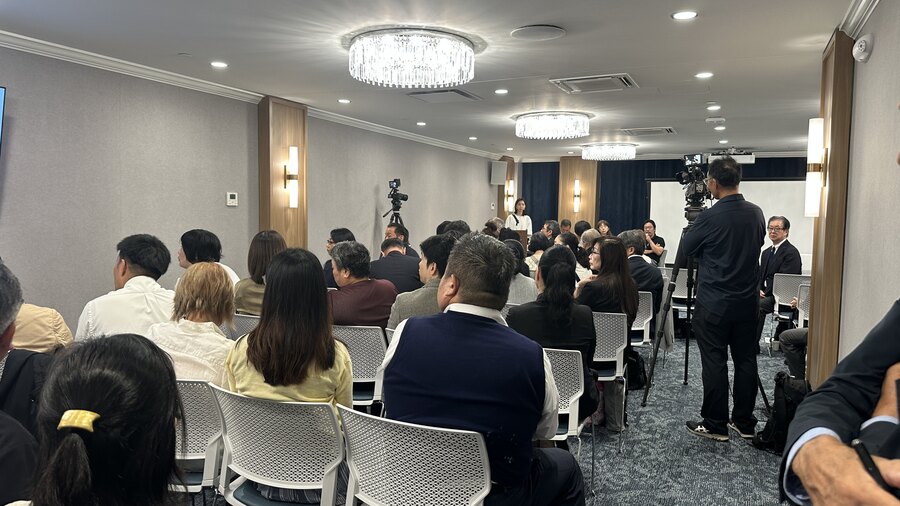
Sixty-four parents, educators and business leaders gathered for two and a half hours of discussion on what children studying outside Japan will need in the years ahead.
| Date | Sunday, September 13, 2026, 10:00 a.m. – 12:30 p.m. |
|---|---|
| Venue | The Nippon Club (604 5th Ave, New York, NY 10020) |
| Organized by | The Nippon Club |
| Co-hosted by | Japan Overseas Educational Services × Japanese Educational Institute of New York × New York Ikuei Gakuen |
| Supported by | JCC Fund |
| After the program | Reception with light refreshments at DAILY SUN New York (12:30 – 2:30 p.m.) |
MODERATOR
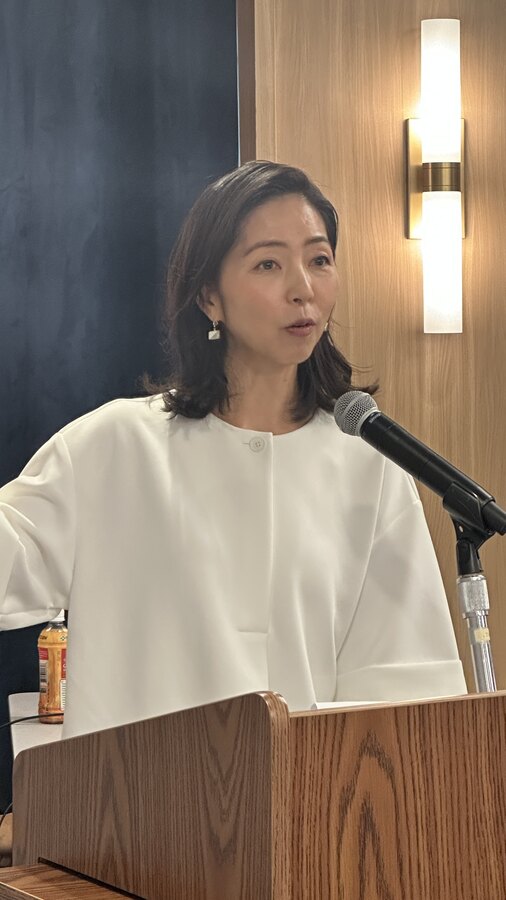
The program was moderated by Junko Kubo, a former NHK announcer with a longstanding interest in early childhood education.
She guided the audience through the keynote speech and both panel discussions, drawing out the speakers and organizing their remarks around the questions on the table.
KEYNOTE SPEECH
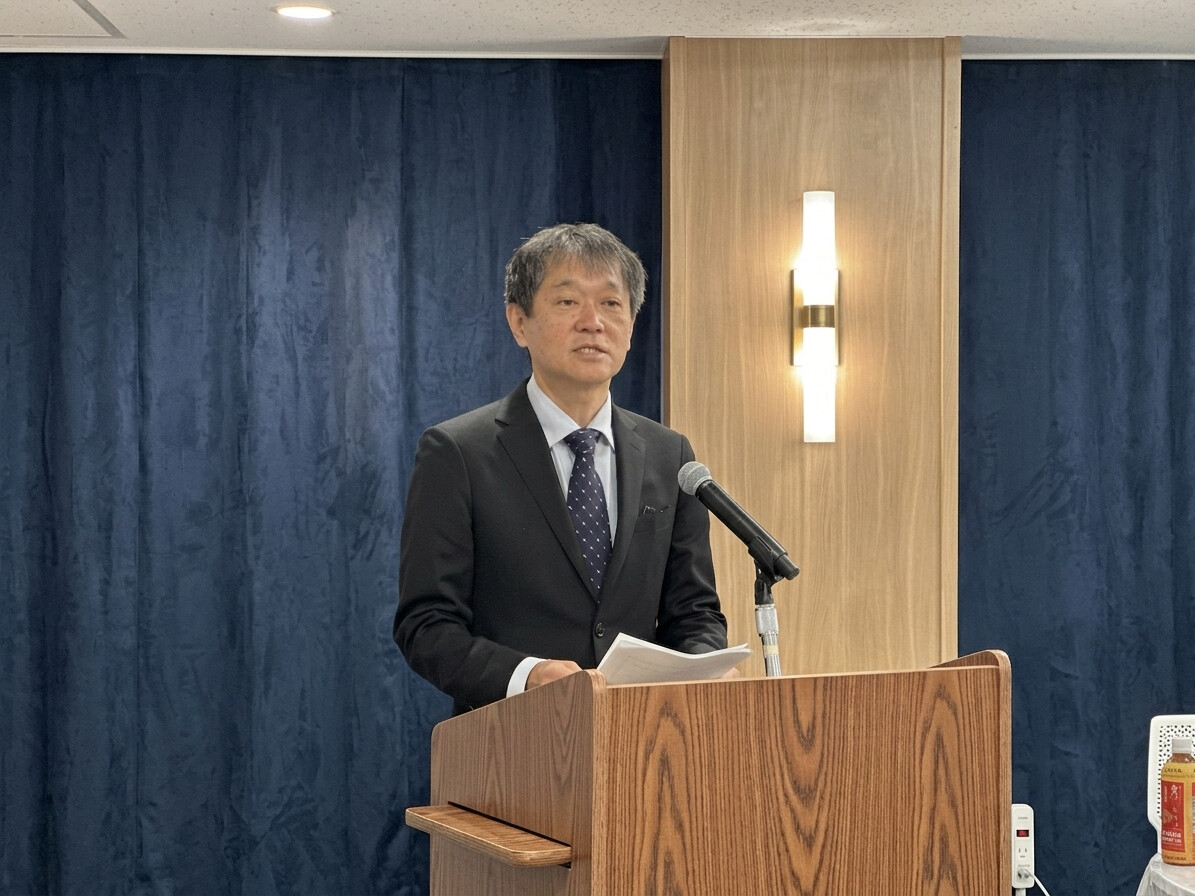
The symposium opened with a keynote speech by Satoshi Katahira, Ambassador and Consul General of Japan in New York.
PANEL DISCUSSION 1
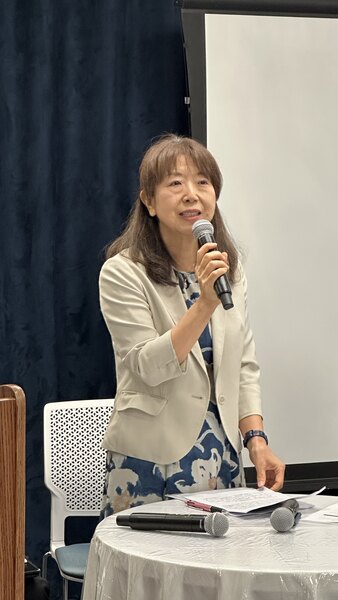
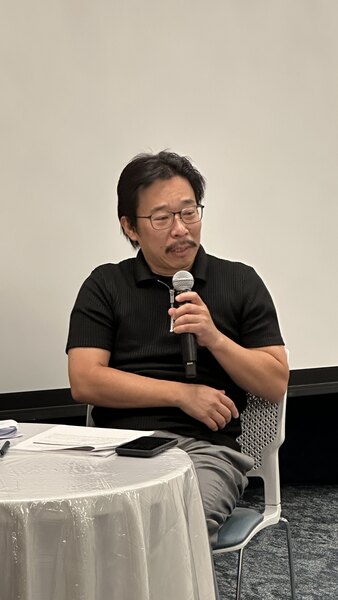
Leaders of three schools spoke about the learning that is possible precisely because it happens outside Japan.
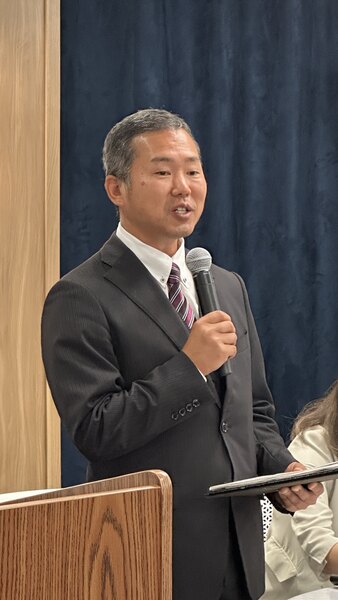
PANEL DISCUSSION 2 ― IN RESPONSE TO THE JOES PROPOSAL
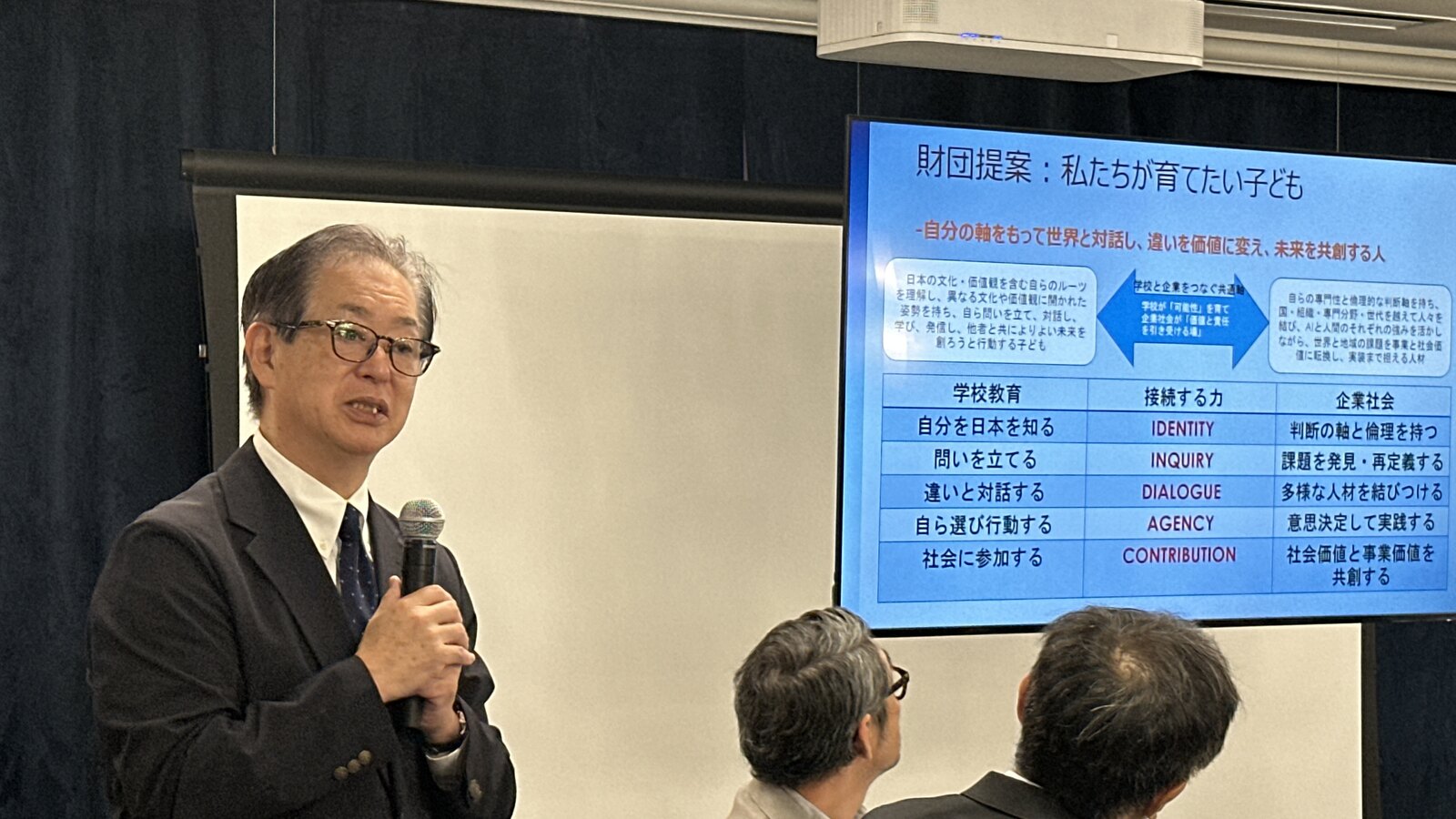
The second panel turned to the learning that happens outside the classroom, and how New York as a community might design it. As the subtitle indicated, the panel opened from a keynote framing by Hiroyuki Watabiki, Chairman of the Japan Overseas Educational Services.
Chairman Watabiki described education as three layers, and placed his focus on the middle one — the “meso” layer that connects schools with the society around them. Drawing on what he has seen across overseas Japanese schools worldwide, he argued that this layer is the thinnest of the three, and closed his proposal by asking the room whether New York could design that layer as a whole — and who would draw the blueprint.
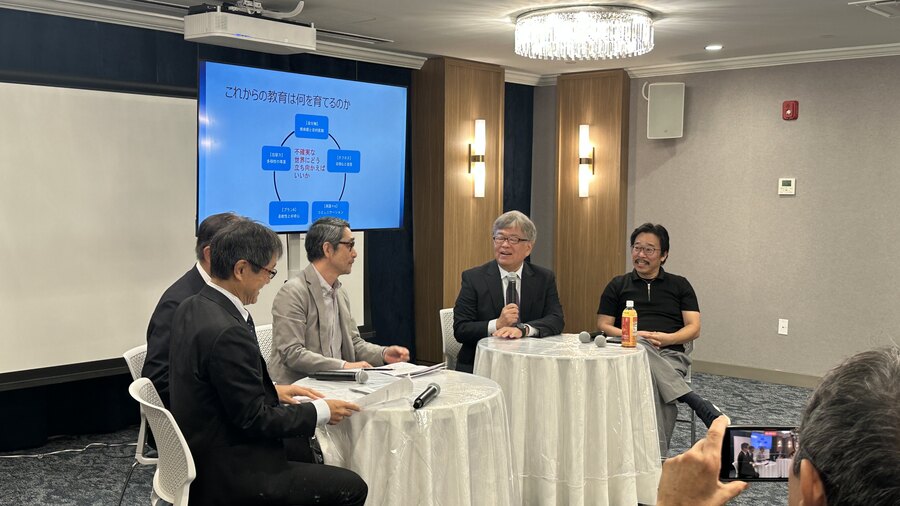
The 80 minutes that followed traced the five questions he set out.
CLOSING & NETWORKING
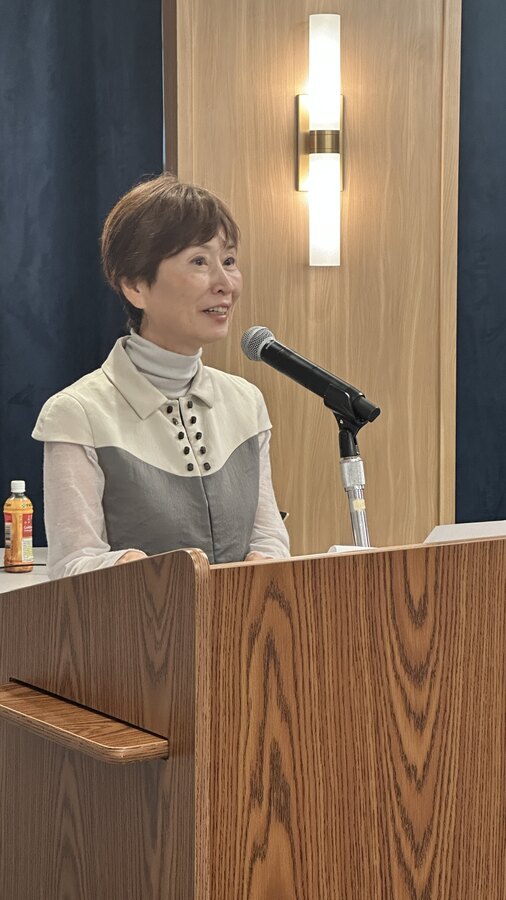
Closing remarks were given by Kyoko Inagaki, Executive Vice-President of Kyoto University.
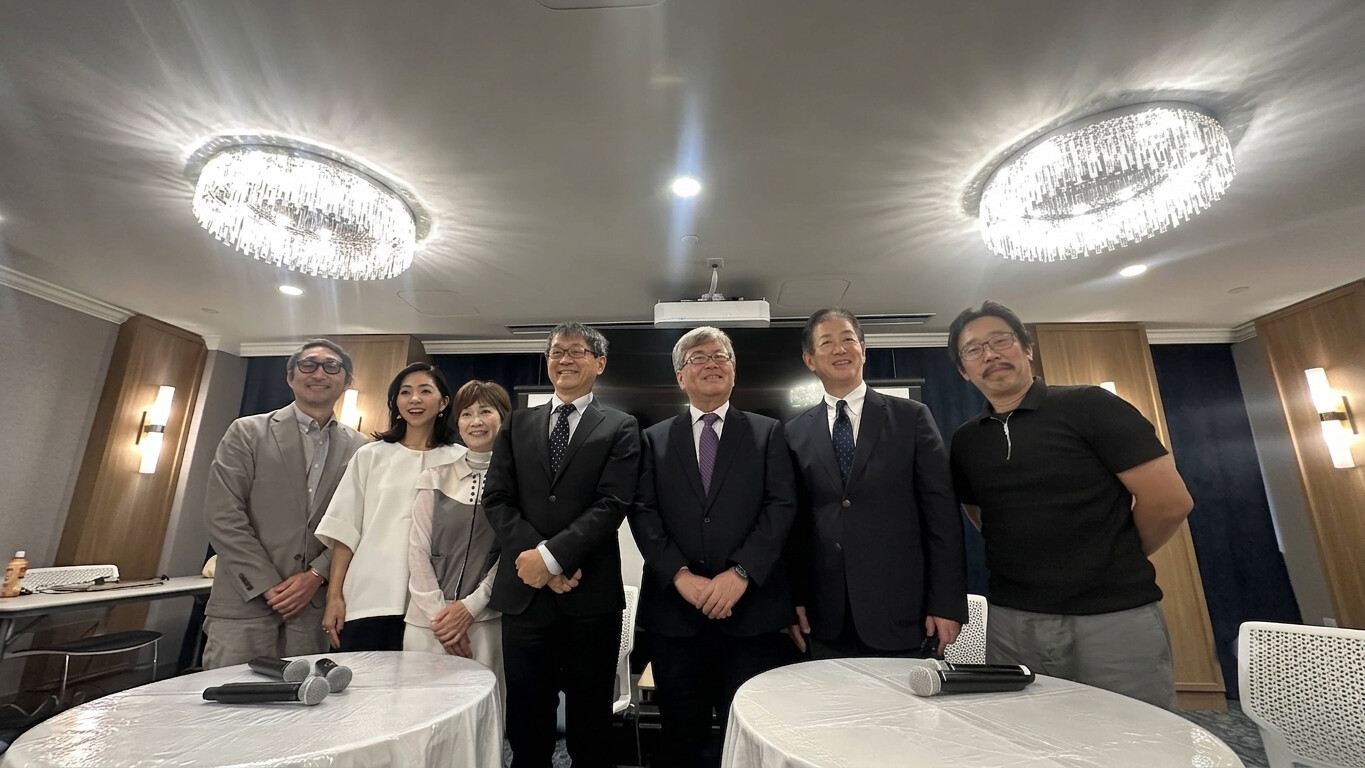
After the symposium, participants moved to DAILY SUN New York, a five-minute walk away, for a reception with light refreshments. Speakers and guests kept talking well past the scheduled end.
CAMPUS VISIT ― SEPTEMBER 11
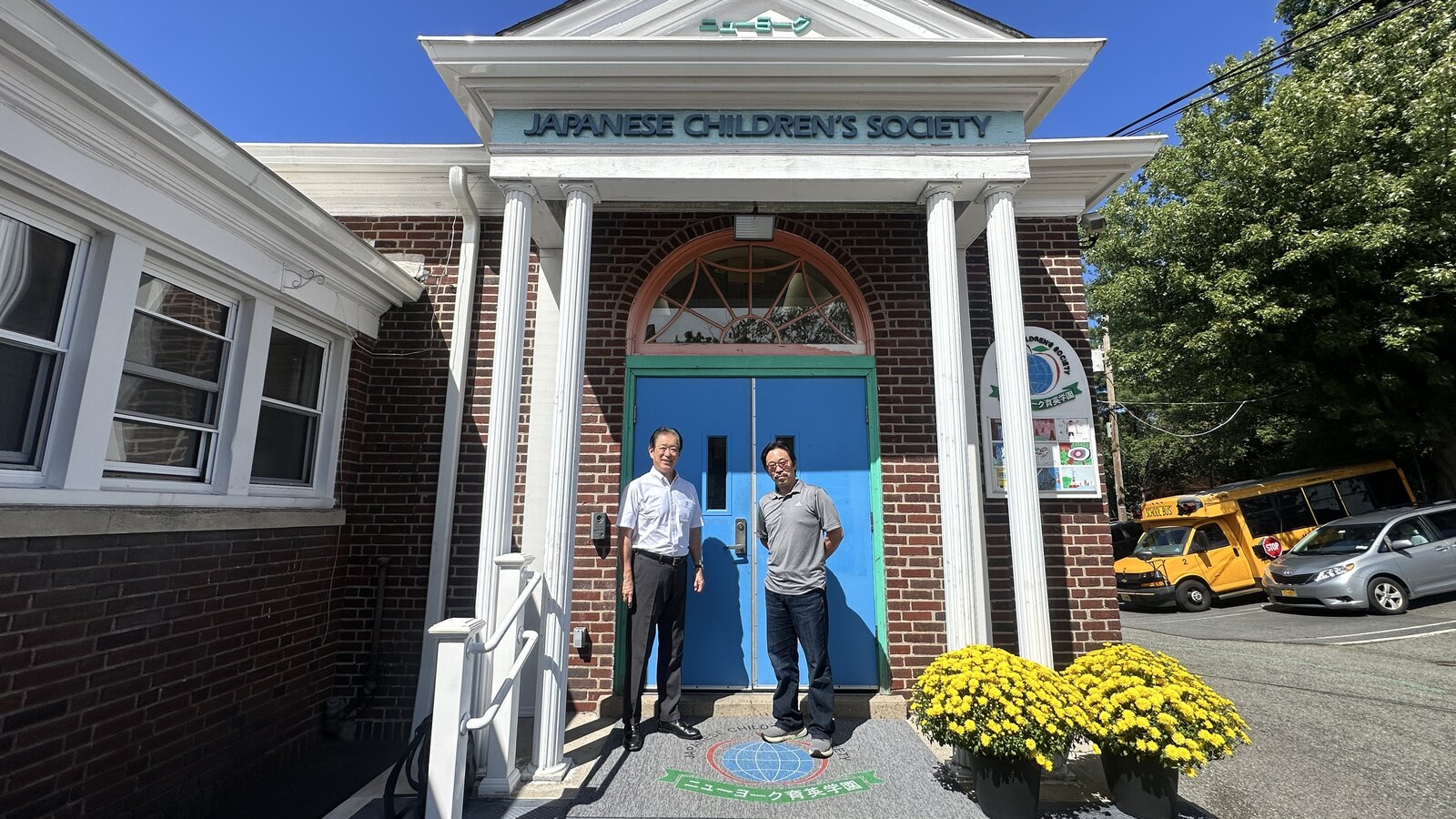
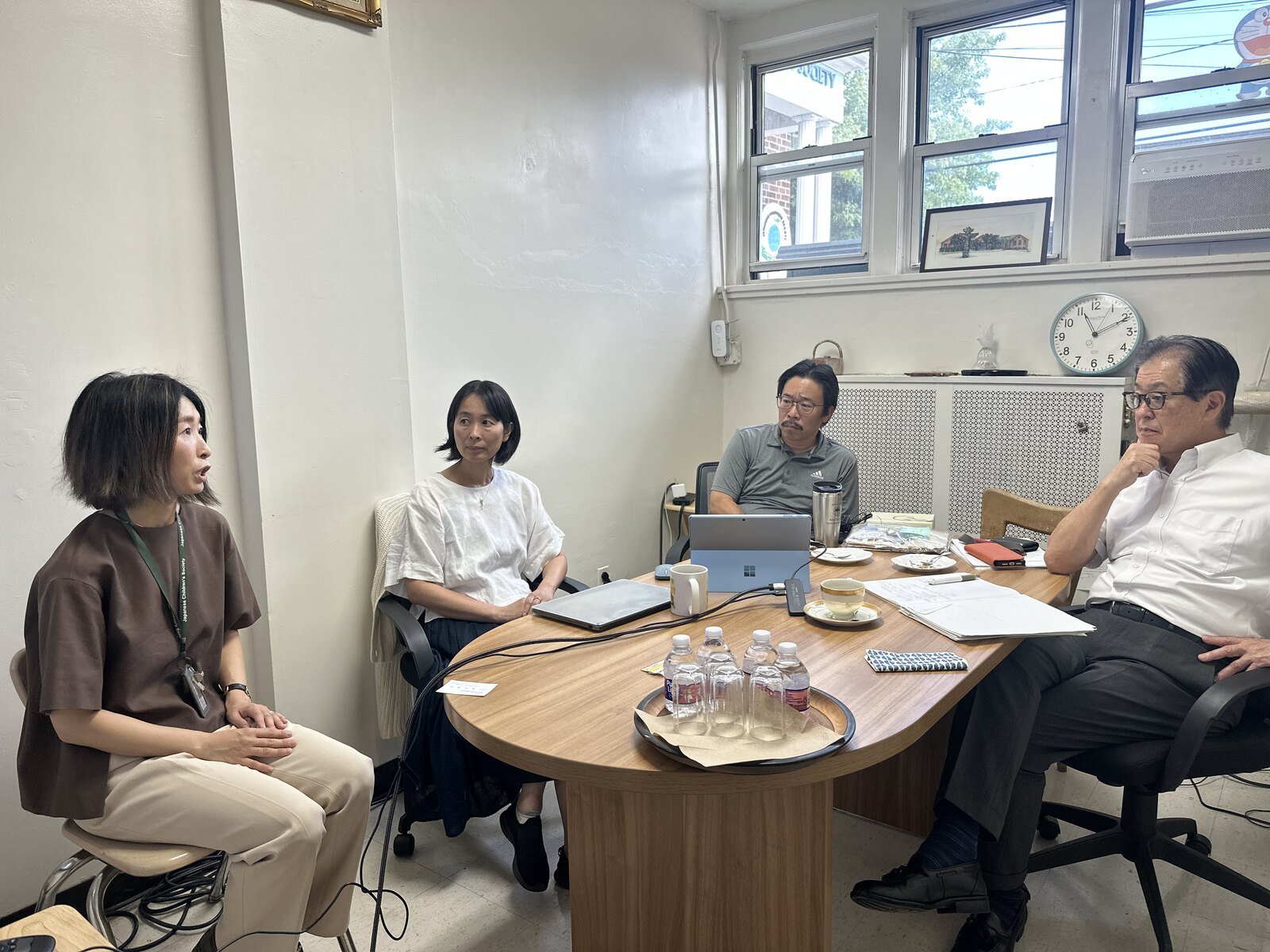
Two days before the symposium, on Friday, September 11, Hiroyuki Watabiki, Chairman of the Japan Overseas Educational Services, visited our New Jersey campus.
After seeing the building and our classes, he sat down with Chairman and Principal Takeda and members of our staff to talk about what the work looks like on the ground and where overseas Japanese education is heading. He came to the symposium two days later having seen our children learning Japanese with his own eyes.
CAMPUS VISIT — SEPTEMBER 14
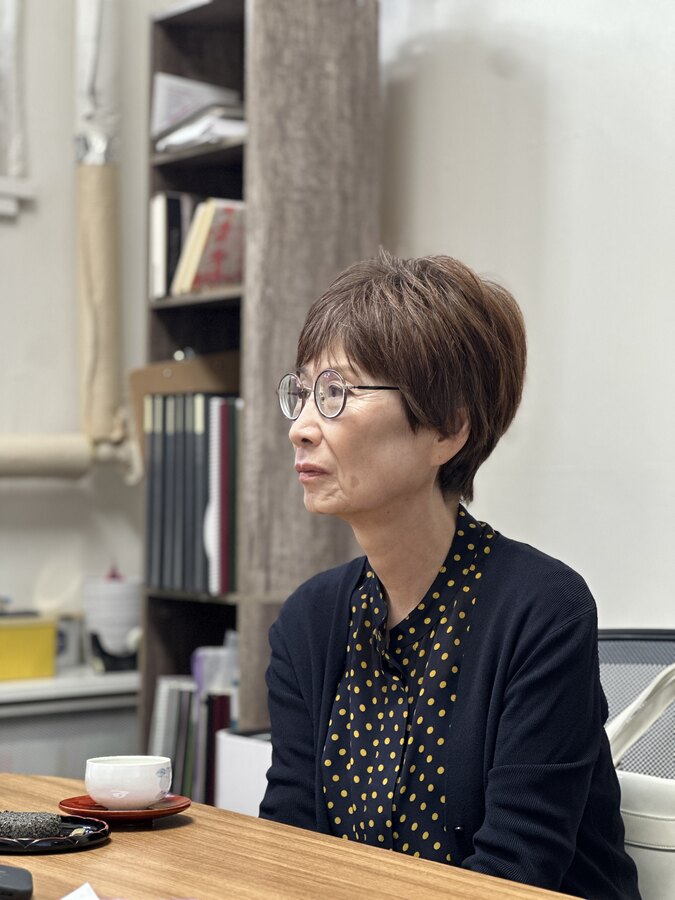
Kyoko Inagaki, Executive Vice-President of Kyoto University, who gave the closing remarks, visited our New Jersey campus on the following morning, Monday, September 14. She was joined by two colleagues, for a party of three from Kyoto University.
WHAT WE SHARED
Looking back on the day, Hidetoshi Takeda, Chairman and Principal of New York Ikuei Gakuen, described what the symposium had brought into focus.
The first point is that New York has a part to play in leading the model of Japanese education that is now taking shape. The second is that, for this to happen, the local community as a whole needs to support the work of schools — what he calls an “educational ecosystem.”
He sees three roles for our school in leading that effort.
Drawing on the years we have spent in New York, we intend to help lead this work.
We have come this far thanks to everyone who has supported the school across 47 years. As a co-host, we intend to carry this conversation forward rather than let it end with a single event, and to keep building forms of learning that draw on the strengths of New York.